
Commercial design is the conversation your business has before anyone says a word.
It’s in the materials and in the light, in the space between tables, in the way a doorway frames what lies beyond.
Most customers won’t consciously register these details.
But that doesn’t mean they don’t feel them.
And more often than not, their decisions follow.
This is the subtle-but-meaningful influence of excellent design: it very sincerely shapes the choices your customers make, long before they reach for their wallets.
Knowing that is one thing, but putting it into practice in a way that suits your business is another.
Let’s dig into the details.
The Seven-Second Reality
Here’s a number that might shift how you think about your space:
Shoppers form their impression of a business within seven seconds of entering.
It’s really such a small amount of time that can impact the memory of an excursion in no small way.
In those fleeting moments, commercial design does the heavy lifting.
It can do so much in terms of communicating professionalism, establishing trust, signaling quality.
Getting it right can be tricky, but time and time again, we’ve seen how much it’s worth every bit of careful consideration.
Further research backs this up:
60% of consumers avoid brands with unappealing visual presentation, even when reviews are positive.
Your space is making promises your products will need to keep.
If all these things dovetail, you’ve got the perfect recipe.
More Than Aesthetics
The common mistake is treating commercial design as decoration, something you address after the “real” business decisions are made.
But design-driven companies outperformed the S&P 500 by 228% over a ten-year period, according to McKinsey research.
That’s not a rounding error but a fundamental business advantage hiding in plain sight.
And in our mind, the reason is straightforward: commercial design isn’t separate from business strategy.
It is business strategy, rendered visible.
Every layout choice affects customer flow, just as material selection communicates brand values and lighting influences mood.
And mood influences spending, of course.
When commercial interior design is treated as an afterthought, businesses leave money on the table in a big way.
The Psychology of Space

Consider what happens in a well-designed restaurant.
Warm lighting slows the pace, encouraging longer stays and additional orders.
Acoustic treatments allow conversation without shouting, creating intimacy that transforms meals into experiences.
Sightlines to the kitchen build trust and theater simultaneously, what you may call the multi-sensory dining experience.
And the best commercial design anticipates behavior before it happens, so this isn’t really accidental.
The idea is to guide customers through spaces in ways that feel natural rather than manipulated, and to do that work authentically too.
So, that means to guide but also to follow through on what you’re offering, really and truly.
Retail environments operate on similar principles.
First impressions form before customers cross the threshold, influenced by signage, window displays, and the path from parking lot to front door.
Inside, product placement, aisle width, and checkout positioning all shape the journey from browsing to buying.
As retail design research confirms, emotional connection drives loyalty, and thoughtful design fosters that connection.
The 2026 Landscape
Commercial design in 2026 is going to change, as spaces have new things to accomplish.
The rise of “resimercial” design (blending residential warmth with commercial function) in 2025, for example, is a response to employees and customers who’ve grown accustomed to the comfort of home.
And that’s fresh enough on the scene that it’s likely to carry over.
Spaces now compete against the couch, as biophilic elements have moved from trend to expectation.
Plants, natural light, organic materials: none of these are decorative flourishes but evidence-based interventions that reduce stress and boost both productivity and dwell time.
Meanwhile, flexibility has become non-negotiable.
Modular furniture, movable partitions, and multi-purpose zones allow spaces to adapt as needs evolve, protecting your investment against tomorrow’s unknowns.
The Brand Made Physical
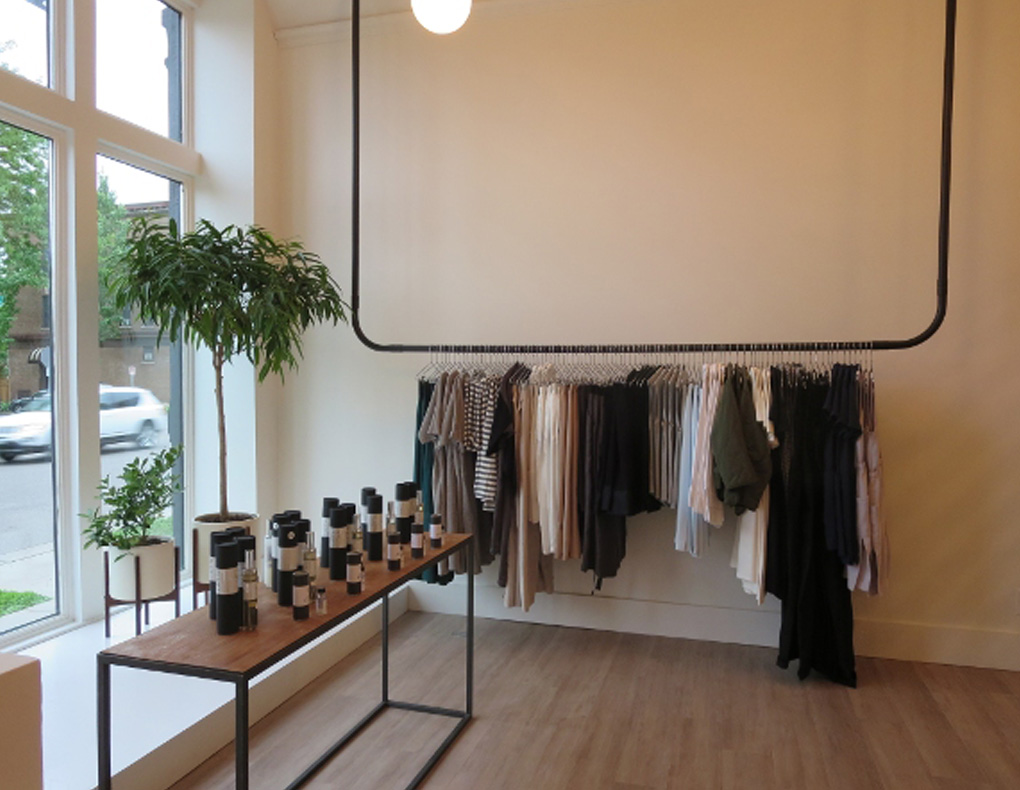
In truth, your brand exists as an idea until commercial design makes it tangible.
Consistent brand presentation across all touchpoints can increase revenue by up to 23%, and your physical space is often the most immersive touchpoint of all.
Think of Apple stores.
They’re iconic minimalist temples where products become sculptures and customers become explorers.
The commercial design doesn’t just reflect the brand; it creates an experience that no website or advertisement could replicate.
This is why commercial building design matters beyond structural concerns.
The exterior announces your presence, the entrance sets expectations, and the interior delivers on promises made before customers stepped inside.
Every element either reinforces your brand story or contradicts it, so don’t make those decisions lightly.
Sector-Specific Considerations
Commercial design principles apply broadly, but execution varies by industry.
Restaurants and hospitality face unique challenges.
The space must work for both operations and atmosphere.
Kitchen layout affects service speed, which affects customer satisfaction, which affects reviews, which affects revenue.
The open kitchen trend exemplifies how commercial design can transform operational necessity into theatrical advantage.
Retail spaces must balance discovery with efficiency.
Customers want to explore but not get lost.
They want assistance available but not intrusive.
The commercial design that achieves this balance creates environments where purchasing feels like a natural conclusion rather than a pressured decision.
Office environments now compete for talent as much as they house it.
With 44% of real estate decision-makers mandating five days in office (up from 34% two years ago) the quality of workspace has become a recruitment and retention tool.
Smart commercial design makes the commute worthwhile.
The Investment Question
What does commercial design actually cost?
The honest answer is not a singular figure because, naturally, it depends entirely on scope, quality, and goals.
But the more useful question is what poor commercial design costs:
Lost customers who never return, employees who disengage, and brand perception that undermines pricing power.
Understanding commercial building architectural design principles helps you invest where impact is highest and avoid spending where returns diminish.
The Competitive Advantage Hiding in Plain Sight
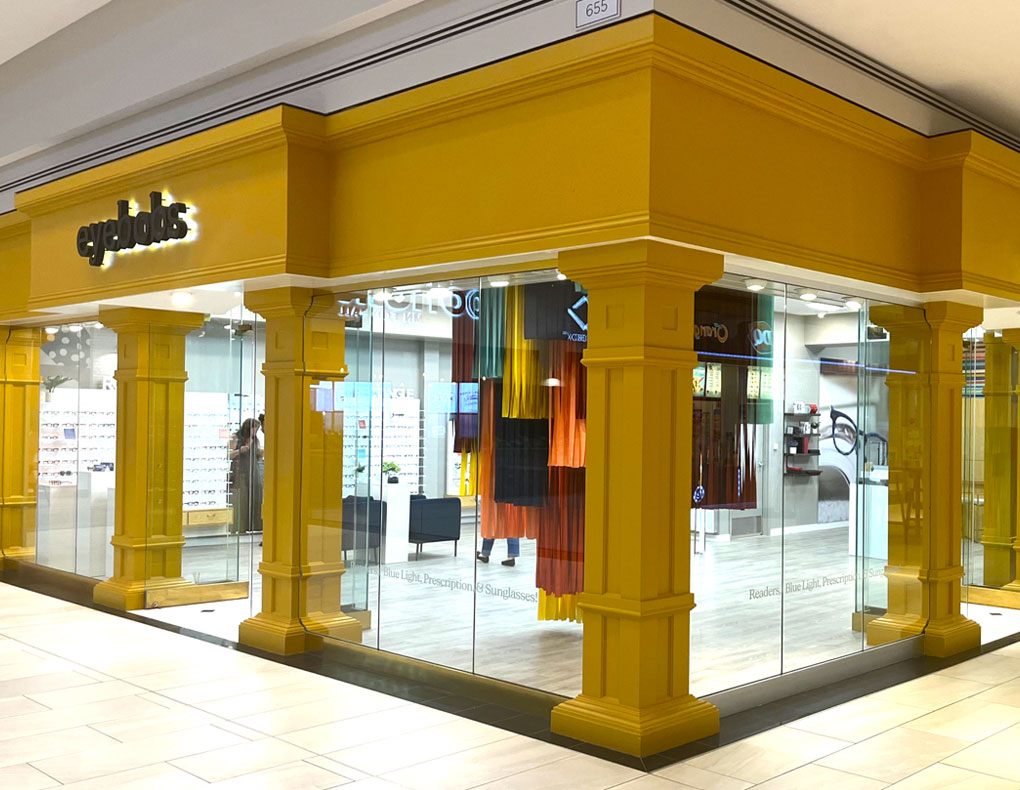
It’s easy to miss that your competitors are probably underinvesting in commercial design.
At Studio M, we tend to agree that so many more business and restaurant owners that you realise are treating their business as a cost center rather than a profit driver.
They’re making decisions based on what’s cheapest rather than what’s most effective.
If you’re not doing that, you’re a big step ahead in the right direction.
Thoughtful commercial design creates differentiation that’s difficult to copy.
Competitors can match your prices, replicate your products, even poach your employees.
But they can’t duplicate the feeling customers have when they walk into a space designed with intention and care.
If you’re ready to have a deeper conversation about your space, we’re here to chat.
We promise to bring the best of the Studio M team’s diverse experience, perspectives, and collaborative approaches to the table.
Recent Comments