
Luxury restaurant interior design is, at its core, an act of persuasion.
That may sound a little calculated at first, but it’s not about manipulation.
It’s how you form an expectation.
Long before the first course arrives, the room itself is already speaking, quietly telling your guests that they’re in the hands of people who care very much about their full experience, from start to finish.
Done well, a luxury interior sets the tone before a menu is opened or a wine is poured.
It signals intention, confidence, and craft.
And in that sense, great restaurant design works like a chef’s knife:
It’s precise, purposeful, and capable of turning raw potential into something unforgettable.
Let’s explore how.
The Economics of Atmosphere
Here’s a truth that doesn’t appear on most spreadsheets:
Diners at full-service restaurants who rate their experience as exceptional will spend up to 20% more on that visit and return three times as often.
The National Restaurant Association’s 2025 State of the Industry report found that 64% of full-service customers say their dining experience matters more than the price of the meal.
Take a second to let that sink in.
Nearly two-thirds of your guests are telling you, explicitly, that they’re willing to pay more for what your space makes them feel.
This is where luxury restaurant interior design stops being an expense and becomes an investment, one that good commercial interior design experts understand viscerally.
The fine dining segment generated $16.7 billion across just 4,688 locations in 2024, according to industry analysis.
That works out to roughly $3.56 million per restaurant each year, a number driven almost entirely by check sizes that can range anywhere from $50 to well over $1,000 per guest.
The Theater of the Threshold
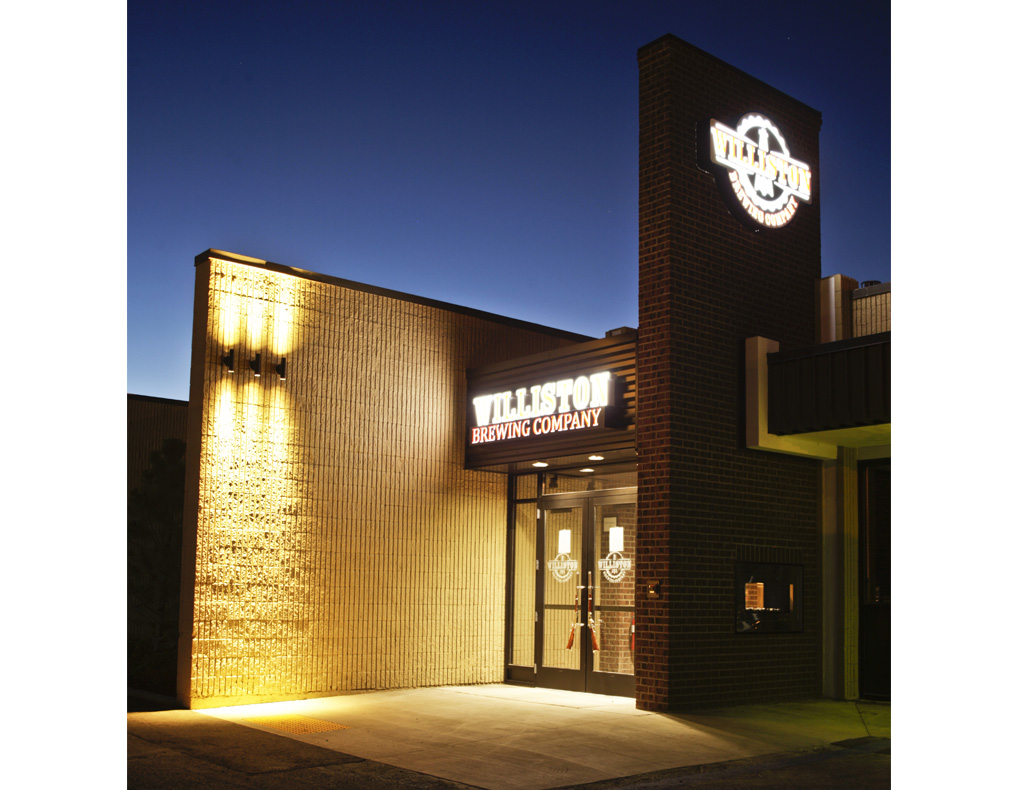
Every luxury restaurant interior design begins at the entrance.
But not every entrance understands its job.
The threshold is more than a door.
You might think of it as a decompression chamber between the ordinary world and the one you’ve created inside.
And the best ones deliver what designers call a moment of arrival, in a moment of brief pause when shoulders drop, breathing slows, and anticipation begins its quiet simmer.
Consider how your restaurant build-out might incorporate a transitional space that whispers rather than announces.
A slight change in flooring underfoot.
A deliberate narrowing before the reveal.
The gradual warming of light as guests move deeper into the room.
These aren’t accidents.
And even if they feel imperceptible, truly, they’re not.
Light as the Silent Sommelier
Dim lighting in restaurants isn’t an aesthetic choice so much as a psychological one.
There’s a reason people linger longer, talk softer, and order dessert under low (but not too low!) light.
Research published in the Journal of Marketing Research found that diners in softly lit environments consumed 18% more calories, with appetizer orders rising 24% and dessert purchases increasing 39%.
On top of that, a Georgia State University study revealed that guests in dimly lit spaces spent almost 40% more on alcohol than those in brightly illuminated rooms.
Perhaps more surprisingly, they were nearly 75% more likely to order premium spirits.
The mechanism is both simple and profound: in lower light, we monitor our spending less closely.
We relax, and we indulge.
And in our experience, the best luxury restaurant interior design uses layered lighting that shifts throughout the evening.
Your kitchen layout design matters too, as the warm glow emanating from an open kitchen can become its own ambient light source, bringing extra texture and theater while building trust.
You may not realise it, but attending to one small detail, like lighting, can very often mean elevating many diverse aspects of the restaurant experience, even the ones that seem unrelated.
The Geometry of Conversation
Here’s a complaint that shows up in restaurant reviews more often than cold food or slow service:
Noise.
According to research aggregated by Koru Acoustics, almost a quarter of diners cited noise as the number one irritant in restaurants, outranking even high prices.
And we’ve all been there, so much so that we’ve said we won’t bother returning to restaurants where the noise levels are too high.
Because unless you’re dining out alone, the whole point of going to a restaurant is to have good, easy conversation with the people you want to spend time with.
But what this means is that luxury restaurant interior design must grapple with a bit of a paradox head on.
As we know from experience, the industrial-chic aesthetic that photographs beautifully (exposed brick, polished concrete, soaring ceilings) is also the one that, when unmanaged, can create acoustic nightmares.
Sound bounces off every hard surface, compounding with each additional guest until conversation becomes combat.
Here are a few tried-and-tested solutions we’d suggest incorporating:
- Acoustic ceiling panels that absorb rather than reflect sound
- Strategically placed soft furnishings and upholstered banquettes
- Fabric wall coverings that double as design elements
- Plant installations that break up sound waves while adding biophilic warmth
The goal isn’t silence, of course.
We don’t want a dead room, where guests begin whispering about the couple three tables over.
You want a “comfortable buzz,” so to speak, with enough ambient energy to provide privacy without requiring raised voices.
Getting that right is a bit of an art, but practice and patience are very enlightening.
Materiality and Memory
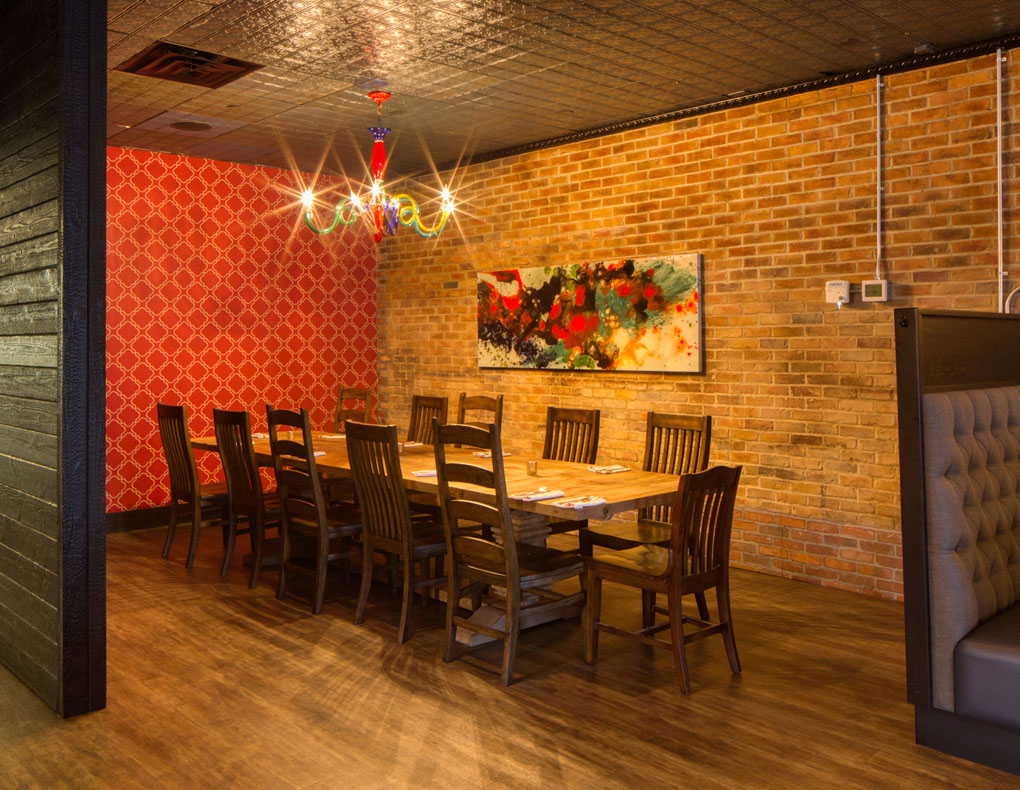
The 2025 design trends emerging from Hospitality Design Magazine point toward what experts are calling “sensorial, earthy, and unexpected luxury.”
Guests are seeking experiences that engage all five senses simultaneously.
Tactile contrast is everything right now.
Think rough plaster against velvet, concrete touching silk, or warm wood beside cool marble.
The most sophisticated luxury restaurant interior design creates what one designer described as “emotional resonance through material juxtaposition.”
And sure, that sounds like jargon, until you’ve dragged your fingertips across a hand-finished tabletop and understood exactly what she meant.
This extends to your commercial building design choices as well: how the exterior announces what waits within, how natural light is admitted, filtered, controlled.
The list goes on.
The Numbers Behind the Beauty
Fine dining establishments typically operate on margins higher than fast-casual, but they also demand more intensive investment in hospitality design.
Here’s where luxury restaurant interior design earns its keep:
When design drives longer dwell times and higher per-person spending, the math changes considerably.
A guest who feels transported stays for dessert, orders the after-dinner drink, returns next month, and brings friends.
Practical Considerations for Transcendent Spaces
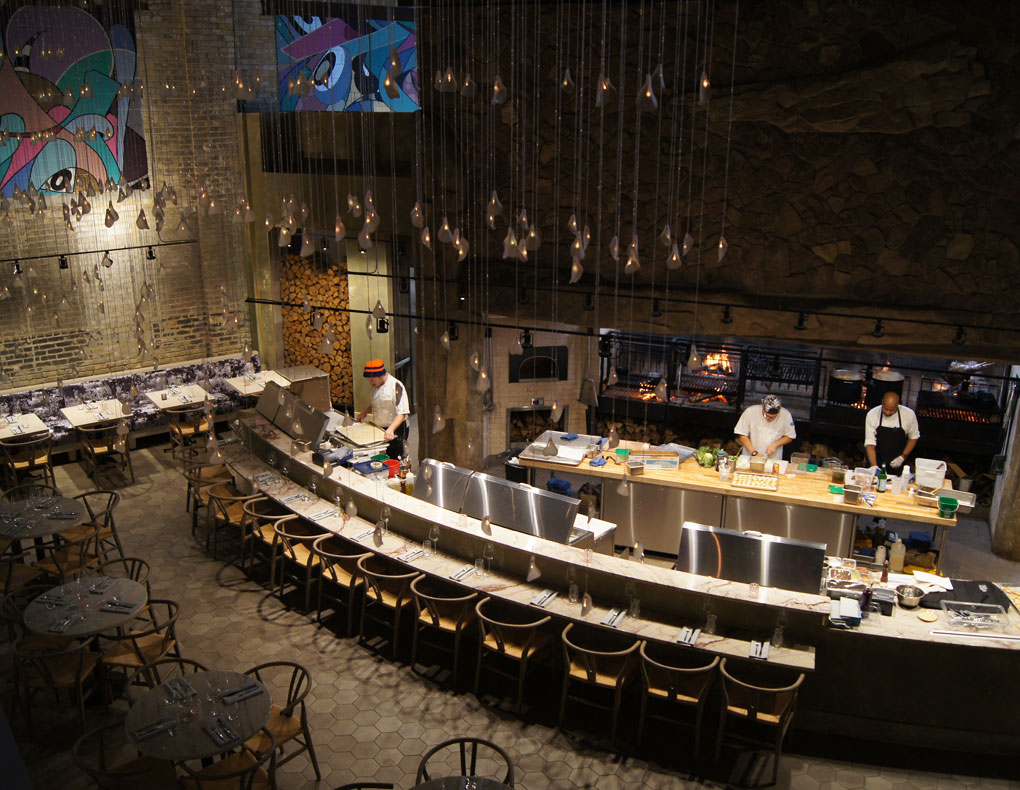
Before you get swept away in velvet swatches and marble samples, some grounding:
Space planning is non-negotiable.
Every decision about guest flow affects experience and operations equally.
Visible bars increase beverage sales.
Dessert displays positioned along natural walking paths convert impulse into revenue.
Your commercial building architectural design must balance beauty with function.
Back-of-house needs to work flawlessly, and service paths should never cross guest sight lines awkwardly.
It’s also important to budget realistically, of course, keeping in mind that acoustics alone are roughly 2-3% of building costs in our experience.
And these aren’t places to cut corners because they have a big impact.
When evaluating commercial building design services, look for firms that understand hospitality specifically.
The Invitation
If you’ve read this far, you hopefully now understand something casual observers tend to miss, that luxury restaurant interior design isn’t about impressing guests with expense.
Rather, it’s a way of creating a container for a rich, magical experience that centers delicious food, fine wine, and real connection.
The industry is projected to reach $1.5 trillion in sales in 2025.
What restaurant goers are seeking is something worth seeking, namely, an experience that creates memories worth sharing, that feels like an event rather than mere sustenance.
Perhaps you’re considering a retail design project or planning your first restaurant or reimagining your fifth.
In any case, the principle holds: spaces shape behavior, and behavior shapes outcomes.
If you’re eager to create a restaurant experience that earns its premium rather than explaining it, the conversation should start with design.
Feel free to contact us at Studio M, and we’d be happy to share more insights and discuss your specific needs.
Recent Comments