
Authentic rustic restaurant design is never themed or manufactured.
Amber light sinking into aged timber reveals an undeniable truth: real character cannot be faked.
This kind of design is discovered, curated, and lived in over time.
And yes, for those wondering, it absolutely has a measurable impact on check averages.
We have transformed more than 150 restaurants, taking them from “nice enough” and aiming to spin them into the most memorable experiences.
And once you see how rusticity translates to enjoyment (and by extension, business success and profit), it’s hard to unsee it.
In today’s post, we’d like to share some of the defining rustic details that have opened our eyes over the years.
Real Patina
Morning light spilling across genuine old wood carries stories that no synthetic stain could ever capture.
Diners sense authenticity through their fingertips long before their minds can put it into words.
And restaurants that embrace real materials in their rustic restaurant design consistently earn stronger reviews, a trend our clients report again and again.
The magic, in our minds, isn’t in decoration but in honesty, texture, and the subtle whispers of history embedded in every surface.
Pioneer Millworks, a leading reclaimed wood supplier, also confirms materials from specific sources carry different energies:
- Gymnasium floors = childhood nostalgia.
- Church pews = reverence.
- Factory beams = grit and resilience.
A little design insight from the Studio M team:
We always encourage clients to document material provenance.
And understanding commercial building design helps inform these material choices.
“These beams supported a 1920s Minnesota barn for ninety winters” sells infinitely better than “rustic décor.”
Iron’s Honest Economics
Raw steel never pretends.
It darkens with time.
It may rust, it may scar.
But it can also remain glorious, evolving and revealing, in every mark and imperfection, the story of its working life.
In thoughtful rustic restaurant design, metal often serves as the grounding element.
It acts as a counterpoint to soft wood and warm light, anchoring the space while letting other materials shine.
Hand-forged iron pieces bring intimacy, because irregularity reads as human rather than industrial.
And that sense of human scale nurtures loyalty, comfort, and keeps diners coming back.
A tip we love at Studio M: don’t be afraid to show off weld seams and hammer marks.
These may seem like details to cover up, but covering them up can do more harm than good sometimes.
These details signal that attention runs deep, and diners subconsciously assume the same level of care carries through the menu.
This type of thinking is what we aim to extend to all commercial interior design decisions, but it works especially well when going rustic.
Stone as Strategic Investment
Minnesota limestone holds 400-million-year-old fossils that you can see with the naked eye.
More than decor, this is deep time made tangible in rustic restaurant design, giving diners a quiet sense of connection to something older and larger than themselves.
Coldspring, a Minnesota stone supplier, has documented how different stones create different psychological environments.
Granite feels permanent and institutional.
Limestone reads as warm and approachable.
Fieldstone suggests something discovered rather than manufactured, casual rather than formal.
We translate this geology into revenue by pairing aesthetic insight with practical intelligence.
Stone walls, for instance, reduce HVAC costs by almost a quarter sometimes, just through the power of thermal mass, creating more moderate temperatures throughout the year.
Good rustic restaurant design is both an economic strategy and an artistic choice, whether the project is a new restaurant build or a thoughtful renovation.
Lighting That Sells Stories

Rustic restaurant design doesn’t fight shadows, but it does learn to profit from them.
Lighting designers sometimes call this approach “archaeological lighting,” because it reveals a space in layers rather than washing everything in uniform brightness.
This way of lighting asks for patience.
Patience creates discovery.
Discovery becomes a moment worth photographing.
And those photographable moments turn into the kind of organic marketing money can’t buy.
The principles echo many used in modern restaurant interior design, but rustic spaces tend to wield them with a quieter kind of confidence, letting mystery and texture do the heavy lifting.
The Mismatched Chair Advantage
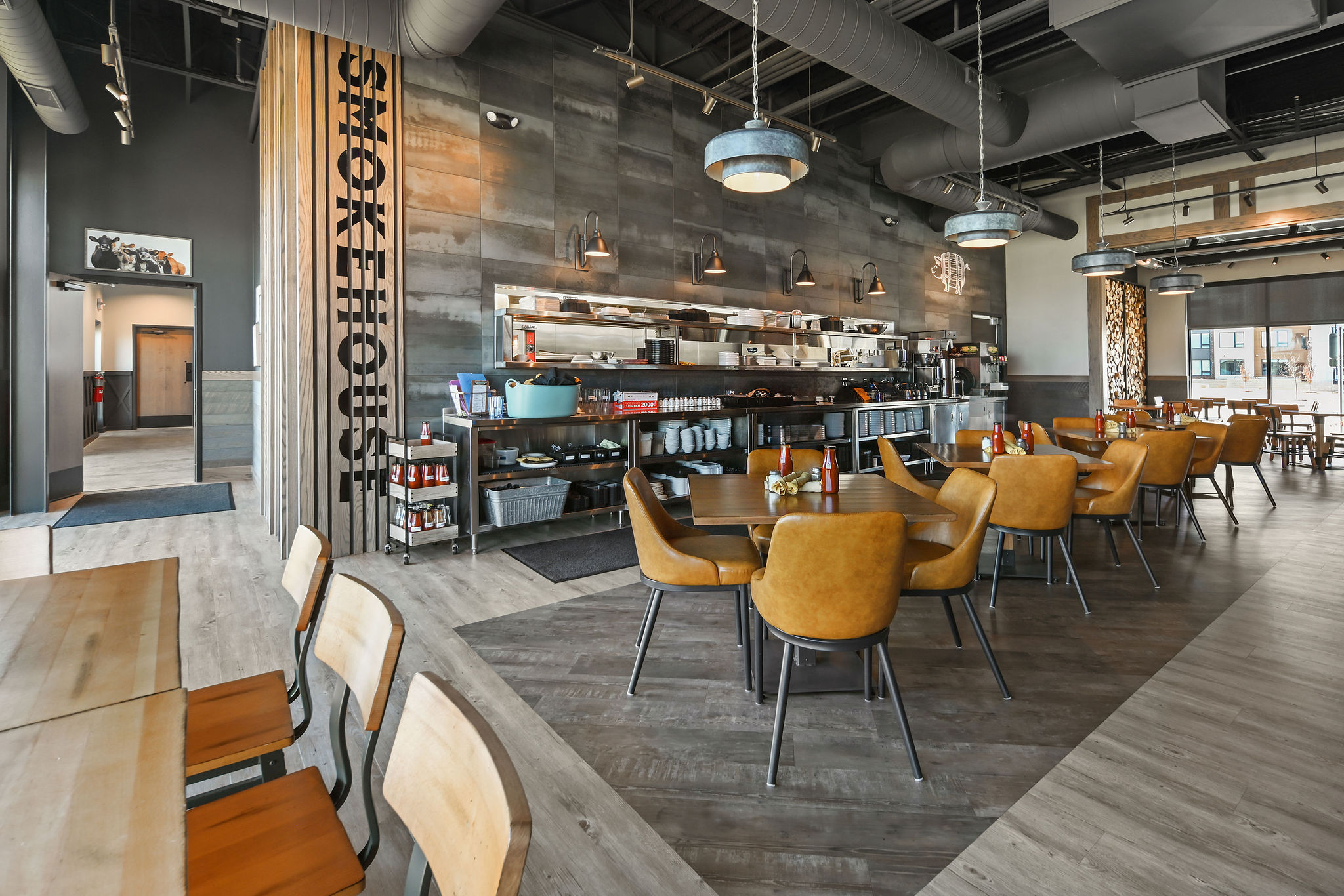
Perfect matching drains the life out of a rustic setting.
But total chaos doesn’t sell either, and diners can feel the difference instantly.
There is a fine line between curated inconsistency and a random assortment of objects.
Companies like Obsolete have built their reputations on orchestrated imperfection, where pieces from different eras speak to one another and varied makers find a quiet harmony.
The result is intentional variety that feels discovered rather than designed.
This kind of carefully curated inconsistency in rustic restaurant design significantly increases perceived value, because it signals individual attention instead of bulk ordering.
It tells guests that someone cared enough to choose each element with purpose.
Textile Economics: Choosing Evolution Over Deterioration
Canvas softens with every touch.
Linen gains character each time it’s laundered, as if it remembers what it has lived through.
Natural materials age in ways that are interesting and honest, accumulating patina, texture, and quiet complexity.
Synthetic materials, by contrast, simply wear out. They don’t deepen; they decline, looking progressively worse rather than better.
Textile conservation research consistently shows that natural fibers develop both visual and tactile richness over time, rewarding use instead of punishing it.
In rustic restaurant design, this becomes a foundational choice. You can build a space that deteriorates, or one that evolves gracefully and tells a richer story with every passing year.
Open Kitchen Theater: Tools as Aesthetic
When planning commercial open kitchen restaurant design or understanding efficient kitchen layout design, there are a few principles that apply universally.
Rustic restaurant design treats tools as part of the aesthetic vocabulary.
Copper pots age beautifully, developing a rich tarnish that hints at decades of simmering sauces and slow‐cooked stews.
Cast iron carries the mark of countless meals, its cooking patina a badge of reliability and history.
Scarred cutting boards tell stories of thousands of meals prepared, each groove a memory, each mark a moment.
This transparency (the visible marks of use) connects powerfully to authenticity.
Customers increasingly value being able to see how their food is prepared, and rustic materials in the kitchen subtly reinforce the handcrafted, traditional nature of the cooking.
In a design where tools live and age with purpose, the kitchen area stops being invisible back-room labor and becomes a tangible part of the restaurant’s narrative and charm.
Acoustic Investment: The Unnoticed Revenue Driver

Research from Cornell’s School of Hotel Administration speaks to how much warm acoustics increase dwell time.
These are significant effects born from details most diners never consciously register.
Wood absorbs sound in a way drywall never can, softening edges and creating a warmer, more intimate reverberation.
Stone reflects differently too, adding a sense of presence without the brittle sharpness of harder, synthetic surfaces.
In rustic restaurant design, these natural materials work together to produce what acousticians describe as a “warm” sound, or a sonic texture that is rich, forgiving, and naturally supportive of conversation.
And this acoustic comfort isn’t just pleasant.
It’s profitable.
Why?
Because when guests feel relaxed enough to talk, linger, and order one more drink or dessert, the atmosphere becomes a quiet driver of revenue as well as experience.
Scent Marketing: The Subconscious Attraction
Sensory researcher Avery Gilbert notes that scent memories drive repeat visits far more powerfully than visual impressions.
Old wood carries a quiet sweetness.
Wet fieldstone releases a mineral earthiness.
These background aromas work below awareness, shaping subtle emotional pull.
A well-executed rustic restaurant design doesn’t rely on synthetic fragrances; it lets authentic materials create their own layered signature.
Vanilla warmth from bourbon barrels repurposed as design elements.
A mineral note rising from exposed stone. Leather and faint lanolin from vintage upholstery.
Together, these scents form an olfactory identity, one that lingers in memory, surfaces unexpectedly, and draws guests back without their ever quite knowing why.
Minnesota’s Profitable Vernacular
Rustic restaurant design in Minnesota carries specific regional DNA.
Swedish log construction meets German timber framing, creating building traditions unique to the upper Midwest and resonant with local identity.
The Minnesota Historical Society archives document these regional building traditions.
And in how we approach our designs, we reference these thoughtfully without mimicking slavishly.
Local stone such as Kasota limestone carries a kind of quiet regional recognition.
Guests may not name it, but they feel its familiarity.
Iron ore details echo the area’s industrial history, grounding the space in stories that belong to the place, not just the project.
Even winter-aware entries with double-door vestibules signal an understanding of local climate and daily life.
This kind of regional authenticity gives rustic restaurant design a deeper resonance.
It increases perceived value because it feels rooted rather than imported, specific rather than generic.
Guests sense when a space belongs where it stands, and that belonging becomes part of the experience they return for.
Understanding restaurant space planning within regional context matters.
Garden-to-Table Visibility
Window herbs actually ending up on plates. Visible kitchen gardens accessed throughout service.
Patios designed as cultivated clearings rather than isolated terraces.
Landscape architect Thomas Rainer writes extensively about “designed wild,” orchestrated naturalness feeling spontaneous but functioning intentionally.
This visible connection in rustic restaurant design increases trust in freshness by 40% because customers see the direct relationship between growing and cooking.
We showcase seasonal gardens through regular content: growth updates, harvest announcements, chef selections.
This farm-to-table visibility justifies and drives premium pricing.
Seasonal Revenue Rhythms
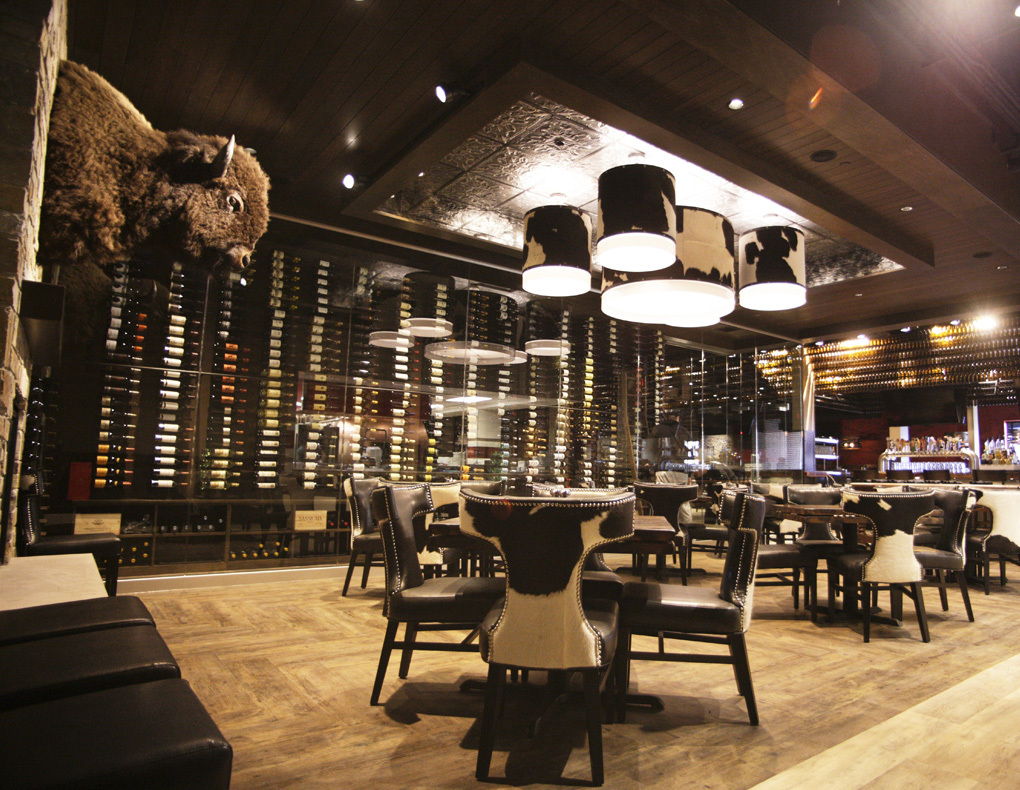
Summer brings patio expansion.
Fall gathers around fireplaces.
Winter creates cozy enclosure.
Spring opens windows to fresh air.
Rustic restaurant design should enable these seasonal transformations without major renovation.
Create flexibility through thoughtful planning: mantles for seasonal decoration, hooks for harvest wreaths and winter greens, surfaces welcoming accumulation of seasonal elements.
Our approach includes seasonal campaign templates allowing you to create different moods in the same space, quadrupling content opportunities without additional photography budget.
This applies whether you’re considering commercial office renovation or restaurant refresh.
Sustainable Storytelling: Rusticity as Environmental Practice
Tomorrow’s rustic restaurant design isn’t historical recreation; it’s sustainable practice aligned with contemporary values.
The Living Building Challenge pushes material circularity, lifecycle thinking.
Your reclaimed bar was gymnasium bleachers, might eventually become someone’s floor.
This narrative depth of material lifecycle drives significantly higher social engagement because it connects design choices to environmental responsibility without sacrificing aesthetic appeal.
Converting Design Intelligence into Client Commitment
Our three-step approach for presenting rustic restaurant design begins with proving authenticity through origin stories, reclamation videos, craftsman profiles.
We then show transformation through time-lapse aging content, seasonal changes, patina development.
Finally, we calculate ROI through higher check averages, increased dwell time, quantifiable social media value.
This methodology helps clients understand authentic rustic restaurant design isn’t expensive decoration.
It’s strategic investment in atmosphere directly driving revenue.
Understanding hospitality design expertise accelerates this process.
Your Authentic Design Advantage
At Studio M, we help transform rustic restaurant design from aesthetic choice to revenue driver.
We understand authenticity sells powerfully when properly presented, documented.
Your expertise in creating genuine, materially honest environments deserves presentation as sophisticated as the spaces you design.
Don’t get me wrong.
A beautiful rustic space that feels manufactured is just expensive theater.
But when rustic restaurant design embodies genuine material honesty, when every surface tells a true story?
That’s when nostalgia converts to reservations, atmosphere transforms into revenue.
Evening light turns golden through timber, casting the long shadows that make rustic spaces magical.
Your authentic story awaits telling.
Whether you’re exploring retail store design services or planning commercial building architectural design, these principles of authenticity apply universally.
Reach out to us at Studio M to discover how genuine rustic restaurant design creates environments that convert nostalgia into reservations and atmospheres into revenue.
Recent Comments